Esteban Rada
Colombian Attorney
www.lawyerscolombia.com
Email: info@lawyerscolombia.com
Phone: +57-311-7693976
Colombia has increasingly become a favored spot for tourists, expats, and digital nomads, thanks to its rich culture, stunning scenery, and friendly locals. However, along with these attractions, online scams, especially those related to webcam services, are on the rise. Foreigners unfamiliar with these schemes are particularly at risk for financial scams, identity breaches, and emotional manipulation. This article will inform you about webcam scams in Colombia, highlight recognition tactics, and provide essential safety tips.
Understanding Webcam Scams
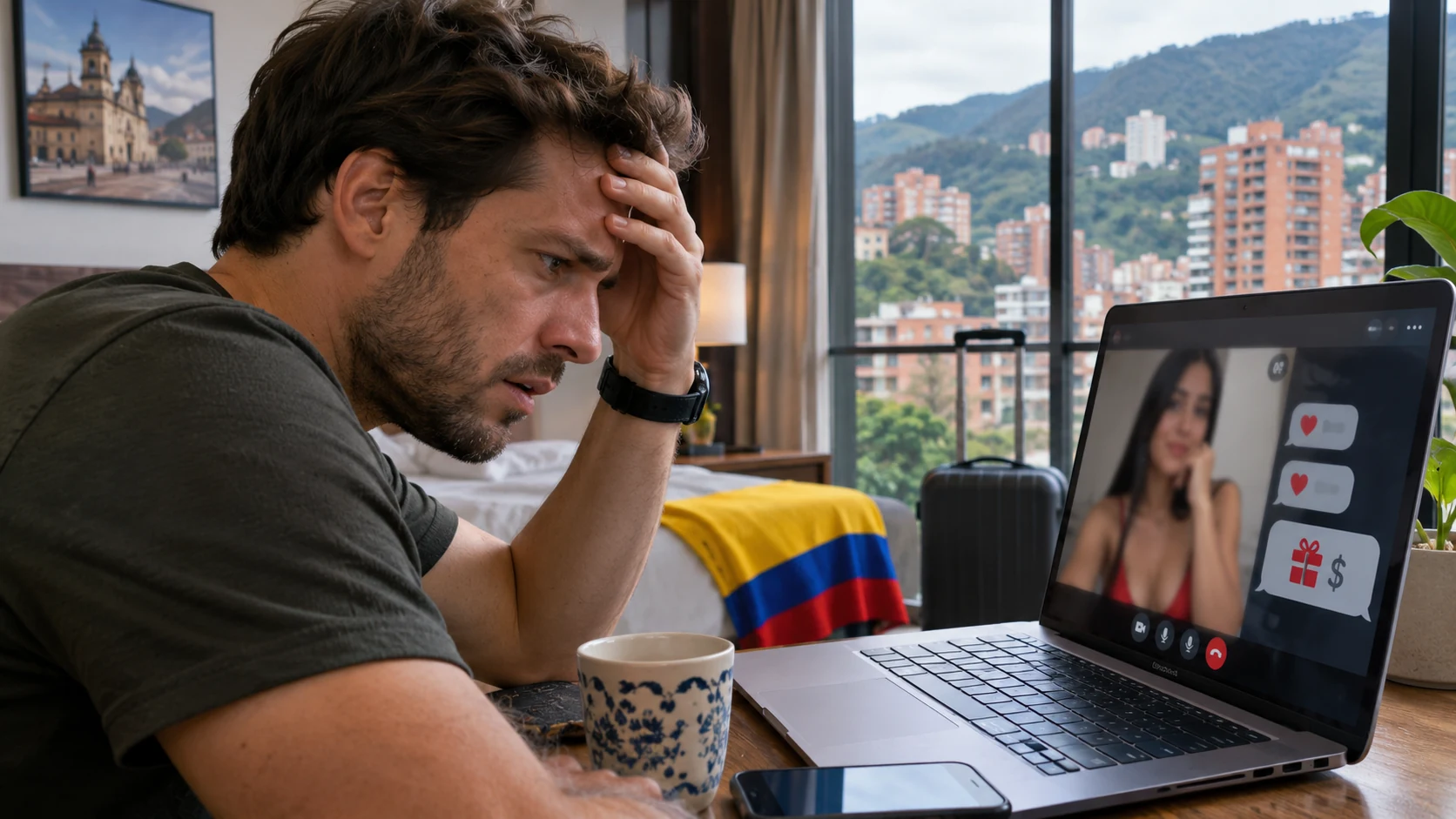
Webcam scams involve fraudulent schemes where scammers establish fake profiles or websites offering purported webcam entertainment or companionship. Their objective is to engage victims in conversation through social media, dating platforms, or messaging apps, often promising romance, friendship, or entertainment. Once a level of trust has been built, these scammers may request monetary assistance, personal information, or access to your financial accounts.
Common Scam Strategies in Colombia
1. Impersonation and Fake Profiles: Scammers often create profiles on dating sites or social media platforms using stolen images of models or celebrities, posing as either local Colombians or foreigners living in the country.
2. Phishing and Identity Theft: After making contact, scammers may request sensitive personal information or financial details under various pretexts, aiming to steal identities or gain access to bank accounts.
3. Financial Manipulation: Initial requests may start small for supposed emergencies or travel costs, but they can escalate over time, demanding larger sums.
4. Love Scams: Some scammers feign romantic interest to exploit emotional vulnerabilities, frequently claiming to be in Colombia due to work obligations or family crises.
5. Bogus Webcam Shows or Services: Certain fraudulent websites promise live webcam shows or companionship but are merely designed to harvest personal information or sell fake memberships.
Why Are Foreigners Targeted?
Foreigners often present attractive targets because they may not be fully aware of local scam practices, language intricacies, or social behaviors. Moreover, the assumption that foreigners generally possess greater disposable income can make them more appealing to scammers operating within Colombia.
Tips to Identify and Avoid Scams
– Scrutinize Profiles with Sparse Information: Authentic profiles usually contain detailed bios and multiple photos. Be cautious of new or incomplete accounts.
– Avoid Sharing Personal Information: Refrain from giving out bank details, credit card numbers, or personal identifiers to anyone you’ve just met online.
– Look for Inconsistencies: Scammer profiles often have conflicting information, suspiciously perfect photos, or language that doesn’t correspond with their claimed background.
– Be Wary of Urgent Money Requests: Genuine relationships typically do not entail immediate financial aid. Requests for money, especially through wire transfers or gift cards, should raise red flags.
– Verify Identities: Use reverse image searches to detect stolen profile pictures and look for inconsistencies in their narratives.
– Stick to Trusted Platforms: Use reputable dating or webcam sites known for their security protocols and positive user reviews.
Steps to Take If You Become a Victim
Stop All Communication: Immediately discontinue contact with the scammer.
Report the Scam: Notify local authorities, your embassy, or the administrators of the online platform.
Secure Your Accounts:Change all passwords and keep an eye on your bank and online accounts for any suspicious activities.
Alert Others: Sharing your story can help others avoid similar pitfalls.
While Colombia offers a breathtaking landscape and a rich cultural experience, it’s essential for foreigners to remain cautious about the prevalence of online scams, particularly those related to webcam services. By understanding common tactics and maintaining vigilant online practices, you can vastly reduce your chances of becoming a victim. Always prioritize your safety, and trust your instincts—if something feels off, it’s wiser to proceed with caution.
For additional guidance or legal assistance, please reach out to us.
Esteban Rada
Colombian attorney
www.lawyerscolombia.com
email: info@lawyerscolombia.com
telephone 57-311-7693976